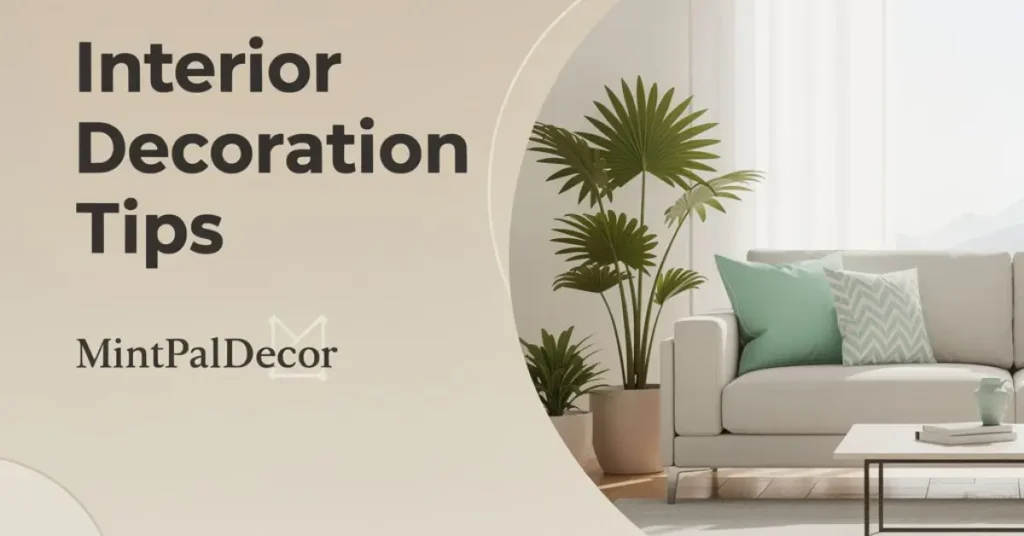

Interior Decoration Tips MintPalDecor: A Practical Guide to Beautiful Spaces
Most people want a home that looks pulled together and feels comfortable to live in. The frustrating part is that getting there often feels harder than it should be. You buy things you love individually, but they never quite come together the way you imagined. Rooms feel unfinished, mismatched, or just not quite right.
That gap between what you picture and what actually exists in your home is exactly what good decoration guidance is designed to close. Platforms and style communities like MintPalDecor help homeowners move from scattered ideas to cohesive, intentional spaces.
This guide walks through the most useful interior decoration tips MintPalDecor principles are built around, covering color, furniture arrangement, lighting, texture, and room-specific advice you can start applying today.
Interior decoration tips MintPalDecor refers to the practical home styling guidance offered through the MintPalDecor approach, focusing on creating fresh, balanced, and livable interiors using thoughtful color palettes, smart furniture placement, layered textures, and accessible decorating techniques suited to real homes and real budgets across a range of styles.
Quick Summary
MintPalDecor-inspired interior decoration focuses on fresh color choices, balanced layouts, layered textures, and functional styling. This guide covers the core principles and room-specific tips so you can decorate with confidence, whether you are starting from scratch or refreshing what you already have.
Why Interior Decoration Feels Harder Than It Looks
Scrolling through beautifully decorated rooms online is easy. Recreating that feeling in your own home is where most people get stuck.
The problem is usually not taste. Most people have a clear sense of what they like. The problem is knowing which principles create that finished, cohesive look and how to apply them to a real space with real constraints.
Good decoration is not about spending more money or buying more things. It is about understanding how color, scale, light, and texture work together to create a room that feels intentional rather than accidental.
Once you understand those principles, the decisions become much easier to make. That is what the interior decoration tips MintPalDecor approach is designed to deliver.
Start With Color: The Foundation of Every Decorated Space
Color is the single most powerful tool in interior decoration and the most commonly misused one. Getting color right transforms a room more than any furniture purchase or accessory addition.
The MintPalDecor approach emphasizes fresh, clean color palettes that feel light and livable rather than heavy or trend-dependent. Think soft whites, warm neutrals, sage greens, dusty blues, and the kind of mint tones the brand name itself suggests.
These colors work well across a wide range of home styles because they create a calm, airy base that allows furniture and accessories to stand out without competing with the walls.
The 60-30-10 Rule
This is one of the most reliable color guidelines in decoration. Use your dominant color for 60 percent of the room, a secondary tone for 30 percent, and an accent color for the remaining 10 percent.
In a living room, that might look like soft white walls as the dominant color, warm wood furniture tones as the secondary, and a dusty sage green in cushions, a vase, and a throw blanket as the accent. It is simple, balanced, and works every time.
Always Test Paint Before Committing
Paint colors look completely different on a full wall compared to a small chip. Light changes color dramatically throughout the day. A color that looks fresh and clean in the morning might look yellow or gray by evening depending on the room’s light exposure.
Always test a sample patch on the actual wall and observe it at multiple times of day before painting the whole room.
Furniture Placement: Arrangement Matters More Than You Think
Most people focus on which furniture to buy. The more important question is where to put it.
Bad furniture arrangement is one of the most common reasons a decorated room feels off, even when the individual pieces are attractive. Pushing all furniture against the walls, for example, is a very common mistake that actually makes a room feel smaller and less connected.
Create Conversation Zones
In a living room, arrange seating so people can comfortably talk without craning their necks or sitting too far apart. A sofa and two chairs facing or angling toward each other with a coffee table in the center creates a natural conversation zone that feels warm and social.
This kind of intentional arrangement is a core part of interior decoration tips MintPalDecor advocates consistently. Function and comfort come first, then aesthetics.
Measure Before You Buy
A piece of furniture that looks perfect online can completely overwhelm your actual room or disappear into it, depending on scale. Measure your space carefully. Map out furniture placement on paper or using a free digital room planner before ordering anything.
A sectional sofa that blocks a doorway or a coffee table that leaves no room to walk around it will frustrate you far more than the initial excitement of buying it.
Lighting: The Most Underestimated Element in Home Decoration
Most homes rely entirely on overhead lighting. This is one of the biggest missed opportunities in interior decoration.
Overhead lighting alone creates a flat, institutional feel. It illuminates everything evenly, which eliminates the shadows and warmth that make a room feel inviting.
Layer Your Lighting
The goal is three layers of light working together. Ambient lighting provides the general illumination, usually from overhead fixtures or recessed lights. Task lighting serves specific functions like reading lamps beside a sofa or pendant lights over a kitchen counter. Accent lighting highlights architectural features, artwork, or decorative elements.
Adding a floor lamp in a corner and a couple of table lamps on side tables transforms the feel of a room completely, especially in the evening. This is one of the most affordable and impactful improvements any homeowner can make.
Warm Bulbs Over Cool Bulbs
For living spaces, bedrooms, and dining areas, warm white bulbs in the 2700K to 3000K range create a much more comfortable and welcoming atmosphere than cool white or daylight bulbs. Save the cooler, brighter tones for home offices, bathrooms, and kitchens where clarity matters more than warmth.
Texture and Layering: What Makes a Room Feel Finished
A room decorated only with smooth, flat surfaces feels cold and incomplete, even if every individual piece is attractive. Texture is what gives a room depth and warmth.
The MintPalDecor style leans into natural textures. Think linen cushions, woven throws, jute rugs, ceramic vases, wooden trays, and cotton curtains. These elements add visual and tactile richness that makes a space feel genuinely comfortable.
Layer Textiles Thoughtfully
On a sofa, combine a smooth base fabric with a textured throw and cushions in different materials, perhaps a velvet cushion alongside a linen one and a knitted pillow. The variety creates visual interest without looking cluttered.
On the floor, a layered rug arrangement where a smaller patterned rug sits on top of a larger natural jute rug is a popular technique that adds warmth and definition to a seating area.
Plants Add Life That No Accessory Can Replicate
Indoor plants are one of the most effective decoration tools available. They add color, texture, movement, and a sense of life that genuinely changes how a room feels.
A homeowner in Denver, for example, might add a large fiddle-leaf fig in a corner of their living room alongside smaller trailing plants on shelves. The effect is immediate and significant. It connects the indoor space to nature and softens the hard lines of furniture and walls.
Room-by-Room Decoration Tips
Living Room
Focus on the rug first. It anchors the entire seating arrangement and sets the tone for the room. Choose a size large enough that all major furniture pieces have at least their front legs resting on it.
Keep the color palette calm and consistent. Add personality through cushions, throws, and artwork rather than competing paint colors or bold furniture.
Bedroom
The bedroom should feel restful above everything else. Keep the color palette simple, two to three tones maximum, leaning toward soft, cool, or neutral shades that promote relaxation.
Invest in quality bedding before decorative accessories. A well-dressed bed in crisp, textured linen immediately elevates the entire room regardless of what else is in the space.
Bedside lighting at the right reading height makes both a functional and aesthetic difference. Matching bedside lamps create symmetry and calm.
Kitchen
Decoration in a kitchen is largely about details. Cabinet hardware, open shelf styling, and small countertop items make a big difference without requiring any structural changes.
Keep countertops as clear as possible. Display only items that are genuinely beautiful or frequently used. A wooden cutting board, a ceramic utensil holder, and a small potted herb plant can make a kitchen feel styled and intentional without clutter.
Home Office
Home office decoration often gets neglected because it feels functional rather than decorative. But a well-decorated workspace directly affects how you feel while working in it.
Add a quality desk lamp, keep cables managed and hidden where possible, and add one or two personal items, a framed print, a plant, or a meaningful object, that make the space feel pleasant rather than purely utilitarian.
Quick Comparison: Common Decoration Approaches
| Approach | Best For | Main Strength | Main Limitation |
|---|---|---|---|
| Minimalist | Clean, uncluttered spaces | Easy to maintain | Can feel cold without warmth layers |
| MintPalDecor Style | Fresh, balanced, livable homes | Approachable and practical | Requires color discipline |
| Maximalist | Bold, expressive personalities | Full of personality and life | Harder to execute without clutter |
| Scandinavian | Light, functional spaces | Timeless and calm | Limited color range |
| Traditional | Classic, formal homes | Rich and detailed | Can feel dated without updates |
Conclusion
Good interior decoration is not about buying the most expensive pieces or following trends. It is about understanding how color, scale, light, and texture work together to create a space that feels intentional and comfortable.
The interior decoration tips MintPalDecor style brings to the table are grounded in exactly those principles. Fresh color palettes, thoughtful layering, proper scale, and practical functionality come together to create homes that look beautiful and work well for the people who live in them.
Start with one room. Define your palette. Get the furniture arrangement right. Layer in light and texture. Then step back and see the difference that a principled, intentional approach makes.
Frequently Asked Questions
What are the most important interior decoration tips for beginners?
Start with a simple color palette, proper furniture layout, and good lighting before adding decorative accessories.
What is the MintPalDecor decorating style?
MintPalDecor focuses on clean colors, natural textures, balanced layouts, and practical styling for comfortable, modern homes.
How can I make a small room look bigger?
Use light colors, properly sized furniture, high-hung curtains, and mirrors to create a brighter, more spacious feel.
What colors work best for a modern home?
Soft white, warm cream, sage green, taupe, and dusty blue create a timeless, modern look.
How much should I spend on interior decoration?
Set a budget based on your needs, prioritizing quality furniture, lighting, and rugs before decorative accessories.
How do I choose the right rug size?
Pick a rug large enough for the front legs of your main furniture to rest on it, creating a balanced and cohesive layout.